
How to Manage Time Between School and Hobbies
How to Manage Time Between School and Hobbies: There is a quiet struggle that almost every student experiences, but very few talk about openly.
You wake up early for school.
You attend classes, take notes, listen, and try to keep up.
You come home tired, knowing homework is waiting.
And somewhere in the middle of all this, your hobbies sit silently in the corner of your life.
The sketchbook you no longer open.
The guitar is collecting dust.
The sport you once loved but now feel “too busy” for.
The writing, gaming, reading, or creativity that made you feel alive.
You tell yourself:
“I’ll get back to it later.”
But later rarely comes.
This article is not about forcing productivity.
It is about learning how to live as a student without losing yourself.
The Truth Students Are Rarely Told
School is important, but school is not your entire identity.
Your hobbies are not distractions.
They are not time-wasters.
They are not something you “earn” only after success.

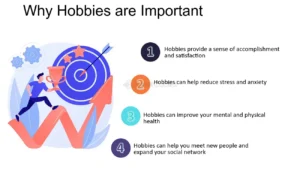
Hobbies are:
- Emotional anchors
- Stress relievers
- Identity builders
- Confidence creators
Why Balancing School and Hobbies Feels So Hard Today
Academic Pressure Is Higher Than Ever
Students today face:
- Competitive grading
- Constant exams
- High parental expectations
- Fear of falling behind
This pressure makes rest feel undeserved.

Digital Distractions Steal Invisible Time
Phones don’t feel like hobbies, but they steal time from real ones.
Scrolling gives temporary relief, not fulfillment.
Hours disappear without joy.
It creates the illusion of being “busy” while still feeling empty.
No One Teaches Time Management Properly
Most students are told:
“Manage your time better.”
But no one teaches how.
Redefining Time Management: A Human Approach
Time management is not controlling every minute.
It is about intention.
Instead of asking:
“How can I do everything?”
Ask:
“What deserves my energy today?”
This single shift changes everything.
Understand Where Your Time Actually Goes
Before fixing your schedule, you must see it clearly.
For 2–3 days, notice:
- How long homework really takes
- How much time is lost on your phone
- When you feel most focused
- When your energy drops
Most students discover they have more free time than they thought; it’s just scattered and unfocused.
Awareness is the first form of control.
Stop Letting School Consume the Entire Day
One of the biggest mistakes students make is letting schoolwork stretch endlessly.
Homework has no boundaries, so it eats hobby time.
What to Do Instead:
- Decide a fixed study window
- Study with focus, not fear
- Stop when the time ends
Even if work isn’t “perfect,” stopping protects your mental health.
Create a Flexible, Not Rigid, Schedule
A schedule should guide you, not trap you.
A Healthy Student Schedule Includes:
- School & classes
- Focused study blocks
- Hobby time
- Rest and sleep
- Buffer time (for life)
Your schedule must breathe.
Rigid routines break.
Flexible routines last.
Make Hobbies Non-Negotiable (But Reasonable)
If hobbies are optional, they disappear.
Treat hobby time like:
- A meeting with yourself
- A mental health appointment
- A promise you don’t break
This does not mean hours every day.
Even:
- 30 minutes of music
- 40 minutes of drawing
- One chapter of reading
Learn the “Focus First, Enjoy Fully” Rule
Enjoyment feels better when it’s earned, not rushed.
Instead of mixing:
- Studying + phone
- Homework + guilt
- Hobbies + stress
Separate them.
When you study, study fully.
When you enjoy, enjoy without guilt.
Turn Schoolwork Into Smaller Wins
Big tasks drain motivation.
Break them into:
- 20–40 minute sessions
- One subject at a time
- One goal per session
Small wins build momentum, and momentum creates time.
Use Hobbies to Heal, Not Escape
There’s a difference between:
- Using hobbies to recharge
- Using hobbies to avoid responsibilities
Healthy hobby use:
- Has time limits
- Leaves you refreshed
- Improves mood
Unhealthy use:
- Creates guilt
- Delays important tasks
- Feels empty afterward
Balance means awareness, not restriction.

Accept Seasonal Imbalance
Life is not equal every day.
During exams:
- Reduce hobby time; don’t remove it
During holidays:
- Enjoy hobbies more
Balance is not daily equality; it’s long-term harmony.
Protect Sleep Like It’s Sacred
No time management system works without rest.
Sleep:
- Improves memory
- Reduces stress
- Increases focus
- Improves mood
Cutting sleep to “gain time” always backfires.
Learn to Say No Without Guilt
You cannot:
- Join every activity
- Please, everyone.
- Do everything perfectly
Saying no is not laziness.
It is self-respect.
Emotional Truth Every Student Needs to Hear
You are not behind.
You are not weak.
You are not failing.
You are learning how to carry responsibility without losing joy.
That is a life skill, not a flaw.
A Realistic Example
A student who:
- Studies 2–3 focused hours
- Practices a hobby for 45 minutes
- Sleeps properly
Common Mistakes to Avoid
- Studying without breaks
- Eliminating hobbies completely
- Over-planning every minute
- Comparing routines with others
- Expecting perfection
Progress comes from kindness to yourself.
Final Thoughts: Balance Is an Act of Self-Respect
Managing time between school and hobbies is not about becoming a machine.
It’s about becoming a whole human being.
Your education builds your future.
Your hobbies protect your present.
You deserve success without suffering.
How to Manage Time Between School and Hobbies
Frequently Asked Questions (FAQs)
Q1: How much time should students give to hobbies daily?
Even 30–60 minutes is enough to maintain joy and mental balance.
Q2: Should hobbies stop during exams?
No. Reduce time, but keep short hobby breaks to prevent burnout.
Q3: What if parents think hobbies waste time?
Show them how hobbies improve focus, discipline, and emotional health.
Q4: Can hobbies improve academic performance?
Yes. They reduce stress and improve concentration and creativity.