Signs of Sleep Deprivation
How Lack of Sleep Affects Your Body, Mind, and Daily Life
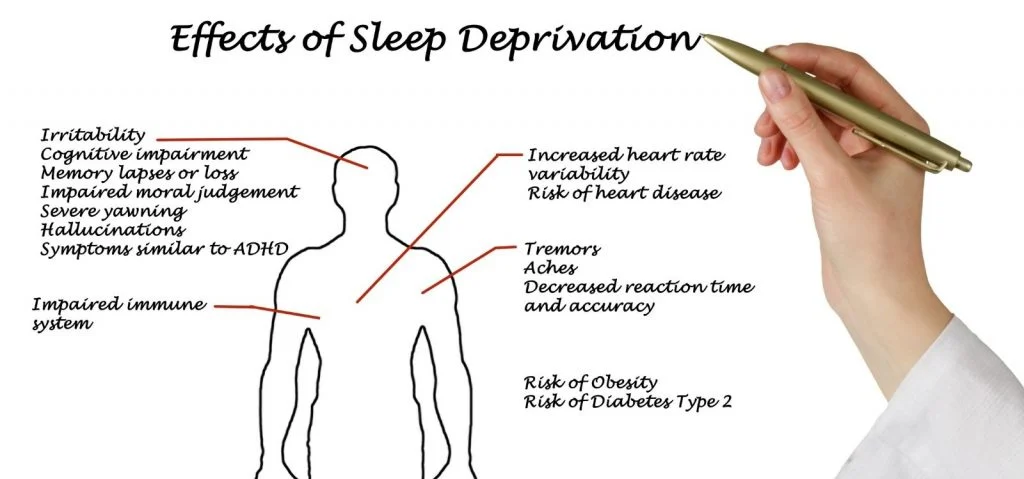
Signs of Sleep Deprivation: Sleep is one of the most basic human needs, yet it is often the first thing people sacrifice when life becomes busy. Late nights, long working hours, stress, and constant screen use have made sleep deprivation increasingly common.
While missing a single night of sleep may seem harmless, repeated lack of quality sleep can quietly damage both physical and mental health.
The body sends clear warning signals when it is not getting enough rest, but these signs are often ignored or misunderstood.This article explains the signs of sleep deprivation in clear, human language. It explores physical, mental, emotional, and behavioral symptoms, long-term health risks, and practical prevention strategies. It also briefly highlights how health insurance can support diagnosis and treatment of sleep-related issues.
Understanding Sleep Deprivation
Sleep deprivation occurs when a person does not get enough sleep to support normal functioning. This may be due to short sleep duration, poor sleep quality, or frequent interruptions during the night. Most adults require between seven and nine hours of sleep each night, while children and teenagers need even more.
Why Sleep Is Essential for the Body and Brain
During sleep, the body repairs tissues, strengthens the immune system, balances hormones, and restores energy. The brain processes memories, clears waste products, and prepares for learning and decision-making the next day. Without adequate sleep, these vital processes are disrupted.
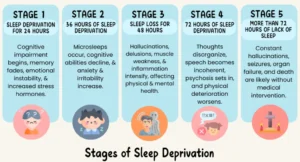
Acute vs. Chronic Sleep Deprivation
Acute Sleep Deprivation
Acute sleep deprivation happens after one or two nights of insufficient sleep. It can cause tiredness, poor focus, and irritability. Although temporary, it still increases the risk of accidents and mistakes.
Chronic Sleep Deprivation
Chronic sleep deprivation develops when poor sleep continues for weeks or months. This form is more dangerous and is linked to serious long-term health conditions such as heart disease, diabetes, and depression.
Physical Signs of Sleep Deprivation
The body often shows the earliest signs of sleep deprivation. These symptoms may appear gradually and worsen over time if sleep is not improved.
Constant Fatigue and Low Energy Levels
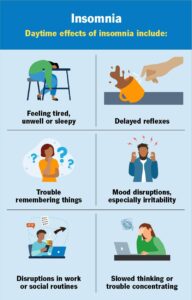
Feeling tired throughout the day, even after resting, is one of the clearest signs of sleep deprivation. Simple tasks may feel exhausting, and physical stamina often declines.
Frequent Headaches and Body Aches
Lack of sleep can trigger tension headaches and migraines. Muscle pain and general body discomfort may also increase due to reduced recovery time for tissues.
Weakened Immune System
Sleep deprivation lowers the body’s ability to fight infections. People who do not sleep enough are more likely to catch colds, flu, and other illnesses, and recovery time is often longer.
Changes in Appetite and Weight Gain
Insufficient sleep disrupts hormones that regulate hunger and fullness. This often leads to increased appetite, cravings for sugary or high-fat foods, and gradual weight gain.
Slower Physical Reactions and Poor Coordination
Sleep deprivation affects motor skills and reflexes. This increases the risk of falls, driving accidents, and workplace injuries, especially in physically demanding jobs.
Mental and Cognitive Signs of Sleep Deprivation
The brain is highly sensitive to sleep loss. Cognitive performance is often one of the first areas to decline.
Difficulty Concentrating and Staying Focused
Sleep-deprived individuals often struggle to maintain attention. Tasks take longer to complete, and distractions become harder to ignore.
Memory Problems and Forgetfulness
Sleep plays a major role in memory formation. Without enough rest, people may forget appointments, misplace items, or struggle to retain new information.
Poor Decision-Making and Judgment
Lack of sleep reduces the brain’s ability to assess risks and make logical decisions. This can lead to impulsive behavior, errors, and poor problem-solving.
Reduced Creativity and Mental Flexibility
Creative thinking and the ability to see new solutions decline when the brain is tired. This can affect academic performance and professional innovation.
Emotional and Behavioral Signs of Sleep Deprivation
Sleep deprivation has a strong impact on emotional health and behavior, often affecting relationships and social interactions.
Mood Swings and Irritability
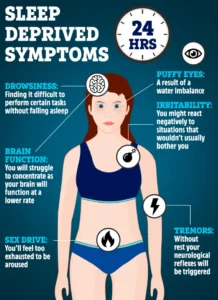
Small problems may feel overwhelming when a person is sleep deprived. Irritability, frustration, and impatience are common emotional responses.
Increased Stress and Anxiety
Lack of sleep activates the body’s stress response system. This makes individuals more sensitive to pressure and more prone to anxiety.
Symptoms of Depression
Chronic sleep deprivation is closely linked to depression. Feelings of sadness, low motivation, and emotional numbness may develop over time.
Social Withdrawal and Reduced Motivation
Exhaustion often leads people to avoid social activities. Loss of interest in hobbies and reduced engagement at work or school are also common.
Signs of Sleep Deprivation in Daily Work and Productivity
Sleep deprivation affects performance in both professional and academic settings.
Decline in Work Efficiency
Sleep-deprived individuals often work slower and make more mistakes. Multitasking becomes difficult, and overall productivity decreases.
Increased Absenteeism and Burnout
Frequent illness, exhaustion, and mental fatigue may lead to more sick days and a higher risk of burnout.
Higher Risk of Workplace Accidents
Jobs that require alertness, precision, or physical effort are particularly affected. Sleep deprivation significantly increases the likelihood of accidents and errors.
Long-Term Health Risks of Sleep Deprivation
When sleep deprivation becomes chronic, it can contribute to serious health conditions.
Heart Disease and High Blood Pressure
Insufficient sleep increases stress hormones and inflammation, raising the risk of hypertension, heart attacks, and stroke.

Diabetes and Metabolic Disorders
Sleep deprivation interferes with insulin regulation, increasing the likelihood of type 2 diabetes and metabolic syndrome.
Hormonal Imbalances
Sleep affects hormones related to growth, appetite, stress, and reproduction. Long-term disruption can lead to fertility issues and hormonal disorders.
Cognitive Decline and Memory Disorders
Ongoing sleep deprivation may increase the risk of cognitive decline and neurodegenerative diseases later in life.
Signs of Sleep Deprivation in Children and Teenagers
Young people are especially vulnerable to the effects of poor sleep.
Behavioral and Emotional Changes
Sleep-deprived children may appear hyperactive, irritable, or emotionally unstable, often mistaken for behavioral problems.
Learning and Academic Difficulties
Lack of sleep affects attention, memory, and learning capacity, leading to poor academic performance.
Impact on Growth and Development
Sleep supports physical growth and brain development. Chronic deprivation can interfere with healthy development during childhood and adolescence.
Common Lifestyle Factors That Cause Sleep Deprivation
Understanding the causes of sleep deprivation helps in addressing the problem effectively.
Excessive Screen Time Before Bed
Exposure to blue light from phones, tablets, and computers suppresses melatonin, the hormone responsible for sleep.
Irregular Sleep Schedules
Shift work, late-night routines, and inconsistent bedtimes disrupt the body’s internal clock.
High Stress and Mental Overload
Chronic stress and anxiety make it difficult to relax and fall asleep, leading to poor sleep quality.
Unhealthy Sleep Environment
Noise, poor lighting, uncomfortable bedding, and unsuitable room temperature all interfere with restful sleep.
Managing and Preventing Sleep Deprivation
Early recognition of sleep deprivation allows individuals to take corrective steps before serious health problems develop.
Improving Sleep Hygiene
Maintaining a consistent sleep schedule, avoiding caffeine late in the day, and creating a calming bedtime routine can greatly improve sleep quality.
Prioritizing Rest and Recovery
Sleep should be treated as a core health priority, alongside balanced nutrition and regular physical activity.
Seeking Professional Support
Persistent sleep problems may require medical evaluation, counseling, or treatment by a sleep specialist.
Role of Health Insurance in Sleep-Related Care
Health insurance can be an important resource for managing sleep deprivation and related conditions.
Coverage for Sleep Studies
Many insurance plans cover diagnostic sleep studies used to identify conditions such as insomnia and sleep apnea.
Access to Specialists
Insurance often provides access to sleep medicine doctors, neurologists, and mental health professionals.
Mental Health and Counseling Benefits
Since sleep deprivation is closely linked to stress, anxiety, and depression, insurance coverage for therapy and counseling can support recovery.
Preventive and Wellness Programs
Some policies include wellness programs, stress management resources, and lifestyle coaching that promote better sleep habits.
Conclusion
Sleep deprivation is more than just feeling tired; it is a serious health issue with wide-ranging consequences. The signs—physical exhaustion, cognitive impairment, emotional instability, and declining productivity—are the body’s way of signaling imbalance. When ignored, sleep deprivation can quietly contribute to chronic disease, mental health disorders, and reduced quality of life.
The good news is that sleep deprivation is often preventable and reversible when addressed early. By recognizing the signs, improving sleep habits, managing stress, and seeking medical support when necessary, individuals can restore healthy sleep patterns. Utilizing health insurance benefits for diagnosis and treatment further strengthens this process. Prioritizing sleep is not a weakness or indulgence; it is a fundamental investment in long-term health, clarity, and overall well-being.
Frequently Asked Questions (FAQs)
What are the most common signs of sleep deprivation?
The most common signs include constant tiredness, difficulty concentrating, mood swings, irritability, and reduced productivity.
How much sleep is needed to avoid sleep deprivation?
Most adults need seven to nine hours of quality sleep each night, while children and teenagers require more.
Can sleep deprivation be reversed naturally?
Yes, mild to moderate sleep deprivation can often be reversed through better sleep habits, stress management, and consistent routines.
Is sleep deprivation the same as insomnia?
No. Sleep deprivation usually results from insufficient sleep opportunity, while insomnia involves difficulty sleeping despite adequate opportunity.
How does sleep deprivation affect mental health?
Sleep deprivation increases the risk of anxiety, depression, emotional instability, and stress-related disorders.
Does health insurance cover sleep problems?
Many insurance plans cover sleep studies, specialist consultations, and mental health services related to sleep disorders.
Are daytime naps a solution for sleep deprivation?
Short naps may provide temporary relief, but they do not replace the benefits of regular, quality nighttime sleep.
Can lack of sleep cause serious diseases?
Yes, chronic sleep deprivation is linked to heart disease, diabetes, obesity, and cognitive decline.
When should a doctor be consulted for sleep deprivation?
If sleep problems persist for several weeks or interfere with daily functioning, medical advice should be sought.
What lifestyle changes improve sleep quality?
Maintaining a regular sleep schedule, reducing screen time before bed, managing stress, and improving the sleep environment are highly effective strategies.