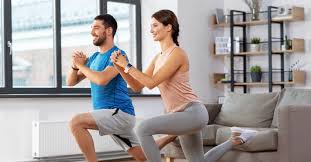
Home Workout Routine
Home Workout Routine:Staying fit doesn’t require a gym membership or expensive equipment. With a well-structured home workout routine, anyone can improve their strength, flexibility, and cardiovascular health from the comfort of their own home. Whether you are a beginner or an experienced fitness enthusiast, home workouts provide flexibility, convenience, and cost-effectiveness while helping you maintain a healthy lifestyle.
In addition to physical fitness, regular exercise has a direct impact on overall health, reducing the risk of chronic diseases, improving mental health, and enhancing energy levels. This article provides a comprehensive guide to home workout routines, their benefits, planning strategies, types of exercises, and even touches on how maintaining health can be supported through health insurance benefits.

Understanding Home Workout Routines
A home workout routine is a structured exercise plan designed to improve fitness, strength, and endurance without relying on a gym. These routines can be tailored to individual goals, fitness levels, and available equipment.
Why Home Workouts Are Popular
Home workouts save time, reduce travel, and allow you to exercise whenever it suits your schedule. They also provide privacy and comfort, which can be motivating for many individuals.
Who Can Benefit from Home Workouts
Everyone can benefit from home workouts, from beginners trying to build a foundation to advanced fitness enthusiasts looking for convenience. Busy professionals, parents, and older adults often find home routines particularly useful.
Benefits of a Home Workout Routine
Home workouts provide both physical and mental health benefits, making them a key component of a healthy lifestyle.
Improved Physical Health
Regular home exercise helps improve cardiovascular fitness, muscle strength, endurance, flexibility, and balance.
Mental Health and Stress Reduction
Exercise releases endorphins, reduces stress, improves mood, and can help combat anxiety and depression.
Cost-Effective Fitness
Home workouts eliminate the need for gym memberships or expensive equipment. Many effective exercises rely only on body weight or minimal equipment.
Flexibility and Convenience
You can exercise on your schedule, whether early in the morning, during lunch breaks, or late at night.
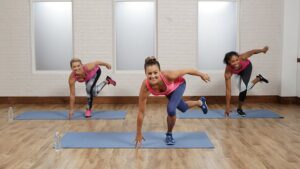
Planning a Home Workout Routine
Creating an effective home workout routine requires structure, goal-setting, and balance between different types of exercises.
Setting Realistic Goals
Identify your fitness goals, whether it is weight loss, strength building, flexibility, or overall wellness. Goals should be specific, measurable, and achievable.
Determining Exercise Frequency
Aim for at least 3-5 sessions per week. Frequency depends on your fitness level, goals, and available time.
Balancing Different Types of Exercise
An effective routine includes a mix of strength training, cardiovascular exercise, flexibility work, and core exercises.
Warm-Up and Cool-Down
A proper warm-up prepares the body for exercise and reduces injury risk, while a cool-down aids recovery.
Effective Warm-Up Techniques
Warm-up for 5-10 minutes with light cardio such as jogging in place, jumping jacks, or dynamic stretching to increase heart rate and loosen muscles.
Cool-Down and Stretching
After workouts, spend 5-10 minutes performing static stretches, deep breathing, and relaxation exercises to promote flexibility and reduce soreness.
Strength Training at Home
Strength training builds muscle, improves bone density, and boosts metabolism.
Bodyweight Exercises
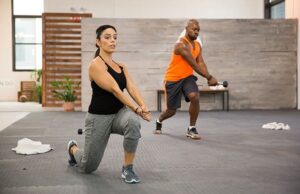
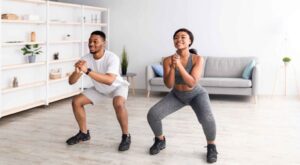
Push-ups, squats, lunges, planks, and burpees are effective exercises requiring no equipment.
Resistance Bands and Dumbbells
These tools allow progressive overload and variety in your strength workouts. They are portable and affordable for home use.
Full-Body Strength Routine Example
A simple full-body routine could include squats, push-ups, bent-over rows with dumbbells, planks, and glute bridges for 3 sets of 10-15 reps each.
Cardiovascular Workouts at Home
Cardio exercises improve heart health, endurance, and calorie burning.
High-Intensity Interval Training (HIIT)
HIIT alternates between short bursts of intense activity and recovery periods. Examples include jumping jacks, mountain climbers, and burpees.
Low-Impact Cardio Options
Walking in place, step-ups, dancing, or using a stationary bike are excellent options for beginners or those with joint concerns.
Sample Cardio Routine
Perform 20-30 minutes of cardio, alternating between high-intensity intervals and moderate-intensity activity for a complete session.
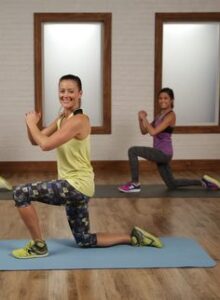
Core and Abdominal Exercises
Strong core muscles improve posture, balance, and overall strength.
Bodyweight Core Exercises
Planks, bicycle crunches, Russian twists, and leg raises target core muscles effectively.
Integrating Core into Your Routine
Include core exercises 2-3 times per week, either at the beginning or end of your strength workouts.
Flexibility and Mobility Workouts
Flexibility improves movement quality and reduces the risk of injury.
Dynamic Stretching
Incorporate dynamic stretches such as leg swings, arm circles, and torso twists before workouts to warm up muscles.
Static Stretching
After workouts, perform static stretches for hamstrings, quads, shoulders, and back to enhance flexibility and recovery.
Yoga and Pilates at Home
Yoga and Pilates routines improve flexibility, core strength, and mental focus while being easy to perform in small spaces.
Creating a Weekly Home Workout Plan
Consistency and variety are key to effective routines.
Sample Weekly Schedule
- Monday: Strength training (upper body)
- Tuesday: Cardio + core
- Wednesday: Rest or light yoga
- Thursday: Strength training (lower body)
- Friday: HIIT or cardio
- Saturday: Full-body workout + flexibility
- Sunday: Rest or stretching
Tracking Progress
Use journals, apps, or wearable devices to track workouts, reps, and progress toward goals.
Equipment for Home Workouts
While many exercises require no equipment, certain tools can enhance your workouts.
Minimal Equipment Essentials
Resistance bands, dumbbells, kettlebells, yoga mats, and stability balls are compact and effective for home fitness.
Budget-Friendly Alternatives
Household items like water bottles, chairs, or towels can substitute for traditional gym equipment.
Safety Tips for Home Workouts
Avoid injuries and ensure long-term success with proper safety measures.
Correct Form and Technique
Always focus on proper form over quantity to prevent injuries.
Listening to Your Body
Modify exercises if you experience pain or discomfort. Gradually increase intensity rather than pushing too hard.
Creating a Safe Workout Space
Ensure enough room, non-slip surfaces, and minimal distractions for an effective home workout environment.
Home Workouts and Mental Health
Exercise at home supports both physical and emotional well-being.
Reducing Stress
Physical activity releases endorphins and helps manage anxiety and stress.
Improving Sleep and Energy
Regular exercise improves sleep quality and boosts energy levels throughout the day.
Boosting Confidence
Achieving fitness goals at home can improve self-esteem and motivation.
Home Workouts and Health Insurance Benefits
Maintaining fitness can indirectly impact health insurance and overall healthcare costs.
Health Insurance Discounts
Some health insurance providers in the USA, UK, and Canada offer wellness programs, gym reimbursement, or discounts for home fitness tracking.
Preventive Care Benefits
Regular exercise reduces the risk of chronic diseases such as diabetes, heart disease, and obesity, potentially lowering insurance claims.
Tracking Activity for Insurance Programs
Certain insurers offer programs that reward healthy behaviors, such as regular workouts or step tracking, which can be logged from home exercise routines.
Challenges of Home Workouts
Home workouts are convenient but come with some challenges.
Staying Motivated
Without social or group support, motivation can wane. Using virtual workout groups or apps can help.
Space and Equipment Limitations
Limited space or equipment can restrict exercise options but can be overcome with creative bodyweight routines.
Balancing Work and Home Life
Finding dedicated time for workouts requires planning and consistency.
Tips for Success in Home Workout Routines
Consistency, variety, and goal-setting are essential for long-term results.
Set Clear Goals
Define what you want to achieve and track progress regularly.
Mix It Up
Incorporate different types of exercise to prevent boredom and target multiple fitness components.
Make it Enjoyable
Choose activities you enjoy, such as dancing, yoga, or bodyweight circuits, to maintain long-term adherence.
Use Technology
Fitness apps, wearable trackers, and online classes can enhance accountability and variety.

Conclusion
A well-structured home workout routine is a practical, flexible, and effective way to maintain health and fitness. By combining strength training, cardio, core exercises, flexibility, and mindfulness practices, individuals can achieve comprehensive physical and mental benefits without leaving their homes. Home workouts are accessible to everyone, regardless of age, fitness level, or schedule, and can be tailored to personal goals.
Moreover, maintaining regular exercise supports overall health and can complement health insurance programs by reducing risks for chronic illnesses and potentially lowering healthcare costs. By staying consistent, creative, and motivated, home workouts can be a cornerstone of a lifelong fitness habit.
Home workout routines are more than a temporary solution—they are a sustainable, convenient, and cost-effective approach to staying fit, healthy, and energized every day.
FAQs
Can I build muscle with home workouts?
Yes, using bodyweight exercises, resistance bands, or dumbbells can effectively build strength and muscle at home.
How often should I exercise at home?
Aim for 3-5 sessions per week, including a mix of strength, cardio, and flexibility exercises.
Do home workouts require expensive equipment?
Not necessarily. Many effective exercises use body weight or household items. Minimal equipment like resistance bands and dumbbells can enhance routines.
Can home workouts improve mental health?
Absolutely. Regular exercise reduces stress, improves mood, and boosts overall well-being.
Do health insurance providers support home fitness routines?
Some insurance providers in the USA, UK, and Canada offer wellness programs, incentives, or discounts for maintaining regular physical activity.