Why Investing Early Can Change Your Life
You Don’t Need to Be Rich to Start Investing
Why Investing Early Can Change Your Life: If you are between 18 and 35, you already have your biggest advantage—time. Many people delay investing because they believe they need thousands of dollars, pounds, or euros. The truth is simple: you don’t need wealth to start—wealth is built by starting.
Even small investments can grow into meaningful financial freedom when given time, patience, and consistency. Investing early is not about perfection; it is about taking the first brave step.
Understanding Investing in Simple Terms
What Investing Really Is
Investing is choosing to believe in your future. It means putting your money into assets that can grow over time instead of letting inflation slowly reduce its value. Whether it is stocks, ETFs, or index funds, investing allows your money to work while you focus on your studies, career, or personal growth.
Why Small Money Is Still Powerful
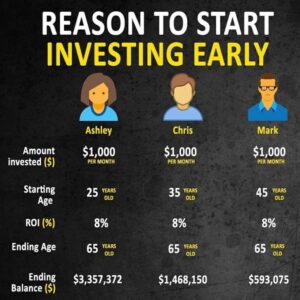
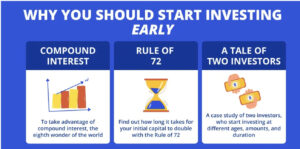
Small investments grow through compound growth, where profits earn returns. When you start young, even modest contributions can outperform large late investments. That is why investing early is more emotional than mathematical—it gives hope, control, and confidence.
Financial Preparation Before You Start
Understanding Your Current Money Reality
Before investing, take an honest look at:
- Monthly income (part-time job, stipend, salary)
- Fixed expenses (rent, transport, food)
- Existing debt (student loans, credit cards)
- Savings balance
This clarity reduces fear and builds confidence.
Emergency Fund Comes First
An emergency fund protects your peace of mind. Aim for 3–6 months of essential expenses in a savings account. This ensures you never have to sell investments in panic during unexpected situations.
Setting Investment Goals That Feel Real
Short-Term Goals
These include travel plans, gadgets, or skill courses. These goals require safer investment options with lower volatility.
Long-Term Goals
Retirement, financial independence, home ownership, or business dreams fall here. Long-term goals allow you to invest in higher-growth assets with confidence.
Understanding Your Emotional Risk Tolerance
If market drops make you anxious, choose safer diversified funds. Investing should support your mental well-being, not stress you.
Best Investment Options for Beginners with Little Money
High-Interest Savings Accounts
Ideal for beginners who want safety and liquidity. These accounts protect capital while earning modest returns.
Index Funds and Mutual Funds
Index funds track major markets like:
- S&P 500 (USA)
- FTSE 100 (UK)
- TSX (Canada)
- EURO STOXX (Europe)
They are low-cost, diversified, and beginner-friendly.
Exchange-Traded Funds (ETFs)
ETFs offer diversification and flexibility. Many platforms allow fractional ETF investing, perfect for small budgets.
Fractional Stock Investing
You can own part of global companies with very little money. This helps young investors build confidence and experience.
Government-Backed Options
Bonds and treasury products provide stability and predictable returns, ideal for conservative beginners.
Online Brokerages
Modern brokerages allow:
- Low or zero minimum investment
- Fractional shares
- Educational tools
- Mobile access
Investment Apps for Young Investors
Mobile apps simplify investing and encourage consistency. Automation reduces emotional decision-making.
Understanding Fees
Low fees are critical when investing small amounts. Even small fees compound negatively over time.
Building a Simple and Smart Investment Strategy
Start Small Without Shame
There is no “too small” amount. What matters is starting and staying consistent.
Consistency Over Perfection
Monthly investing builds discipline and removes fear of timing the market.
Diversification Protects Your Emotions
A diversified portfolio reduces stress during market fluctuations and protects long-term growth.
Why Health Insurance Is Essential for Young Investors
Protecting Your Financial Dreams
Health emergencies can destroy financial progress. Health insurance protects your funds from being utilized during medical crises.
Peace of Mind Equals Better Investing
When health risks are minimized, you invest calmly, confidently, and consistently.
Common Beginner Mistakes to Avoid
Chasing Quick Profits
Fast money promises often lead to losses. Real wealth grows slowly and sustainably.
Investing Without Learning
Understanding basics protects you from scams and emotional decisions.
Stopping During Market Drops
Market downturns are temporary. Staying invested builds resilience and success.
Emotional Benefits of Investing Young
Confidence in Your Future
Investing gives you control, hope, and direction.
Financial Independence Feels Empowering
Even small progress creates motivation and pride.
Discipline That Transforms Life
Investing teaches patience, responsibility, and long-term thinking.
Conclusion About Why Investing Early Can Change Your Life
Starting to invest with little money between the ages of 18 and 35 is one of the most powerful decisions you can make. It is not about how much you earn today but about the habits you build now. Investing early teaches discipline, reduces future financial stress, and gives you confidence that your future is secure. With the right mindset, proper planning, health insurance protection, and consistent effort, even small investments can grow into life-changing wealth. Your journey does not need perfection—only courage and commitment.
Frequently Asked Questions About Why Investing Early Can Change Your Life
Can students really start investing with little money?
Yes. Many platforms allow investing with minimal amounts through ETFs, index funds, and fractional shares.
Is investing risky for young people?
Risk is manageable with diversification, education, and long-term investing.
Which country is best for beginner investing?
The UK, USA, Canada, and Europe all offer beginner-friendly platforms and investment products.
How does health insurance support investing?
It protects your investments from unexpected medical expenses.
Should beginners invest monthly or yearly?
Monthly investing is better for discipline and emotional stability.
Is it okay to invest while studying?
Yes. Investing while studying builds financial literacy and confidence early.
How long before I see results?
Investing rewards patience. Meaningful growth typically appears over several years.
Do I need financial knowledge to start?
Basic understanding is enough. Learning grows naturally once you begin.