Personal Loan or Credit Card: Which One Costs Less
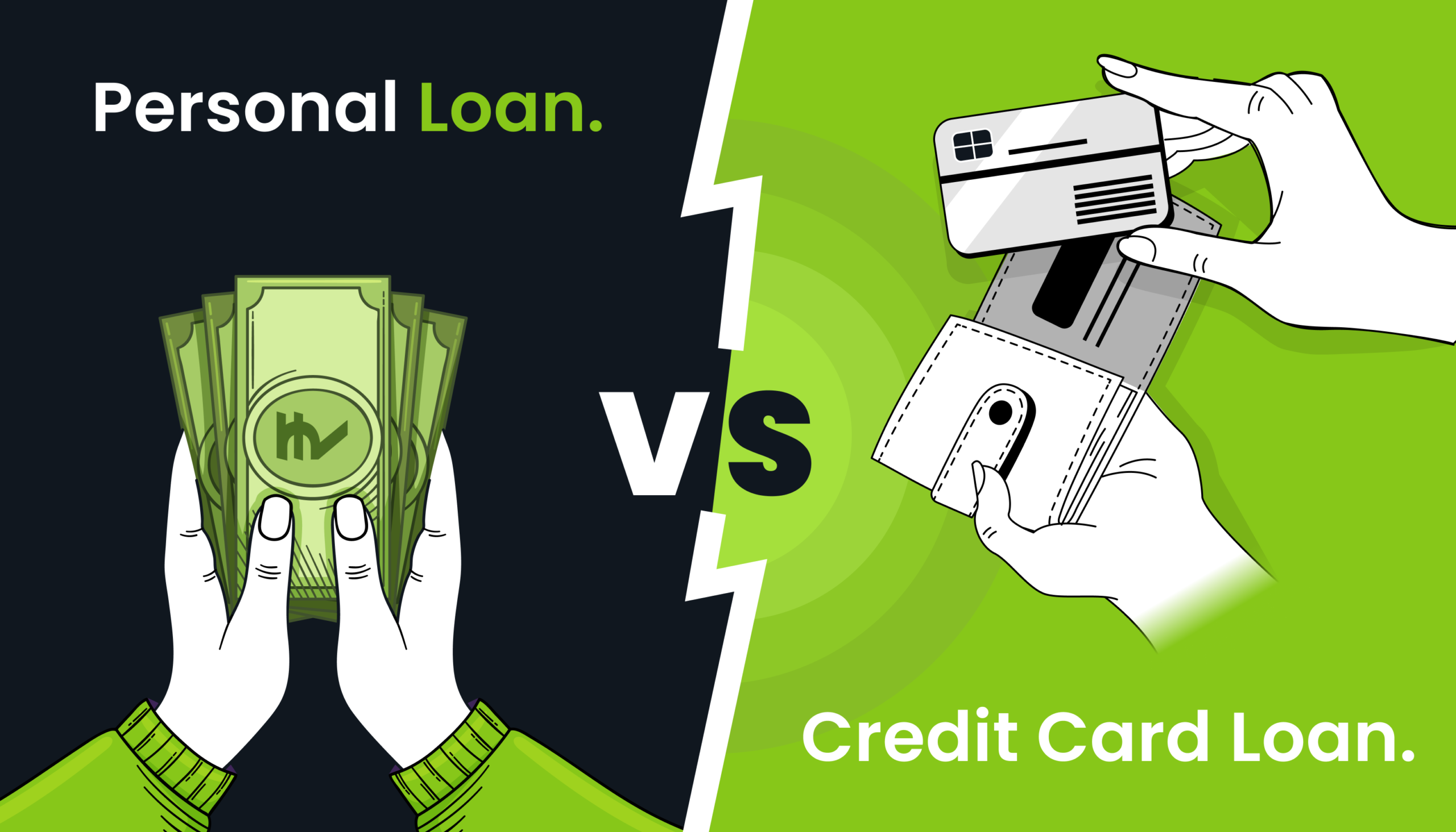
Personal Loan or Credit Card: Which One Costs Less?: Choosing between a personal loan and a credit card is one of the most common financial decisions people face today. Whether you are covering an emergency, consolidating debt, paying for a major purchase, or managing short-term cash flow, the choice you make can significantly affect how much money you ultimately pay. The question is simple on the surface, but the answer depends on interest rates, fees, repayment behavior, and how long you carry the balance.
This article provides a deep, human-centered, and practical comparison of personal loans and credit cards. It explains real costs, long-term financial impact, and decision-making strategies so you can confidently choose the option that costs less for your specific situation.
Understanding the Core Difference Between Personal Loans and Credit Cards
What a Personal Loan Is
A personal loan is a fixed-term installment loan where you borrow a specific amount of money and repay it over a defined period, usually with a fixed interest rate and fixed monthly payments. Once the loan is disbursed, you begin repayment immediately, and the balance steadily decreases until it reaches zero.
Personal loans are commonly used for debt consolidation, medical expenses, home improvements, weddings, or other large, planned costs.
What a Credit Card Is
A credit card is a revolving line of credit that allows you to borrow up to a set limit and repay any portion of the balance each month. Interest is charged only on the unpaid balance, and the credit remains available as long as the account is open and in good standing.
Credit cards are often used for everyday purchases, emergencies, and short-term financing.
How Cost Is Calculated for Personal Loans and Credit Cards
Interest Rates and APR Explained
The true cost of borrowing is reflected in the annual percentage rate, or APR. APR includes the interest rate and, in some cases, additional fees.
Personal loans typically have lower APRs than credit cards, especially for borrowers with fair to excellent credit. Credit card APRs are usually higher because of the flexibility and ongoing access to credit.
Fixed vs Variable Interest Rates
Most personal loans have fixed interest rates, meaning your monthly payment stays the same for the entire loan term. This predictability helps with budgeting and long-term planning.
Most credit cards have variable interest rates that fluctuate based on market conditions. Your cost can increase over time even if your spending habits stay the same.
Comparing Average Interest Rates
Typical Personal Loan Interest Rates
Personal loan APRs generally range from single digits for excellent credit to the mid-30% range for poor credit. Many borrowers fall somewhere in the middle, with rates commonly between 8% and 18%.
Typical Credit Card Interest Rates
Credit card APRs are significantly higher on average. Many standard cards charge interest rates between 20% and 30%, and some exceed that range for subprime borrowers.
From a purely interest-rate perspective, personal loans usually cost less than credit cards.
Fees That Affect the Total Cost
Fees Associated With Personal Loans
Some personal loans include origination fees, which are typically deducted from the loan amount before you receive the funds. These fees often range from 1% to 8% of the loan amount.
Other potential costs include late payment fees and, in rare cases, prepayment penalties.
Fees Associated With Credit Cards
Credit cards may include annual fees, late payment fees, balance transfer fees, and cash advance fees. Cash advances are especially expensive because they often carry higher APRs and start accruing interest immediately.
When fees are added to high interest rates, credit cards can become much more expensive over time.
Repayment Structure and Its Impact on Cost
How Personal Loan Repayment Works
Personal loans follow a structured repayment plan. You know exactly how long it will take to pay off the loan and how much interest you will pay if you follow the schedule.
This structure prevents debt from lingering indefinitely, which reduces long-term interest costs.
How Credit Card Repayment Works
Credit cards allow minimum payments, which can keep balances active for years. Paying only the minimum dramatically increases the total interest paid and can trap borrowers in long-term debt.
The flexibility of credit cards can become costly if not managed carefully.
The Role of Time in Total Borrowing Cost
Short-Term Borrowing
If you need money for a very short period and can pay it off quickly, a credit card may cost less, especially if you have a low APR card or a promotional 0% interest offer.
Long-Term Borrowing
For expenses that require months or years to repay, personal loans almost always cost less due to lower interest rates and fixed repayment schedules.
Time is one of the most important factors in determining which option is cheaper.
Credit Score Impact and Cost Implications
How Personal Loans Affect Credit Scores
Personal loans can improve credit mix and payment history if managed responsibly. However, missing payments can damage your score and increase future borrowing costs.
How Credit Cards Affect Credit Scores
Credit cards strongly influence credit utilization, which is a major factor in credit scoring. High balances relative to limits can lower your score and make future borrowing more expensive.
The cost of borrowing is not just about current interest rates but also about how your choice affects future financial opportunities.
When a Personal Loan Costs Less Than a Credit Card
Debt Consolidation Scenarios
Using a personal loan to consolidate high-interest credit card debt often reduces overall interest costs and simplifies repayment.
Large One-Time Expenses
Medical bills, major repairs, or planned purchases typically cost less when financed with a personal loan rather than a credit card.
Predictable Budgeting Needs
Fixed monthly payments make personal loans more cost-effective for people who need stability and clear timelines.
When a Credit Card Costs Less Than a Personal Loan
Short-Term Cash Needs
If you can repay the balance within one or two billing cycles, a credit card may cost little to nothing in interest.
Promotional 0% APR Offers
Balance transfer and purchase promotions can temporarily eliminate interest, making credit cards cheaper than personal loans for disciplined borrowers.
Small, Flexible Spending
For ongoing, low_money expenses, the convenience and rewards of a credit card can outweigh the higher interest rate if balances are paid in full.
Personal Loan or Credit Card: Which One Costs Less?
Psychological and Behavioral Cost Factors
Spending Behavior With Credit Cards
Credit cards can encourage overspending due to their ease of use. This behavioral cost often leads to higher balances and more interest paid over time.
Discipline Required for Personal Loans
Personal loans impose structure and limits, which can reduce impulsive spending and long-term financial stress.
The cheapest option is often the one that aligns best with your financial habits.
Real-World Cost Comparison Example
Scenario One: Credit Card Use
A borrower charges $5,000 on a credit card with a 24% APR and makes minimum payments. Over time, the total interest paid can exceed the original purchase amount.
Scenario Two: Personal Loan Use
The same borrower takes a $5,000 personal loan at 12% APR for three years. The total interest paid is significantly lower, and the debt is eliminated on a predictable schedule.
These examples illustrate how repayment behavior dramatically affects cost.
Personal Loan or Credit Card: Which One Costs Less?
Risk and Flexibility Considerations
Risk of Rising Interest Rates
Credit card rates can increase, raising your cost unexpectedly. Fixed-rate personal loans protect against this risk.
Flexibility of Access
CC provide ongoing access to funds, which can be useful but also dangerous if spending is not controlled.
Cost should be balanced against flexibility and risk tolerance.
SEO-Focused Buyer Decision Guide
Choose a Personal Loan If
You need to borrow a large amount, repay over time, consolidate debt, or lock in a lower interest rate.
Choose a Credit Card If
You can repay quickly, qualify for promotional rates, or need short-term purchasing flexibility.
The cheapest option is the one that minimizes interest, fees, and behavioral risk.
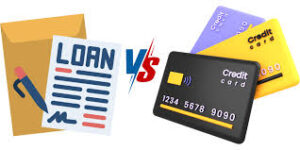
Long-Term Financial Impact
How the Choice Affects Future Borrowing
Lower debt balances and consistent payments improve credit scores, reducing future borrowing costs.
Opportunity Cost of Interest Payments
Money spent on interest cannot be invested, saved, or used for personal goals. Choosing the cheaper option preserves financial momentum.
Final Cost Verdict
In most long-term borrowing scenarios, personal loans cost less than credit cards due to lower interest rates, fixed payments, and faster payoff timelines. CC can cost less only when balances are paid quickly or promotional offers are used responsibly.
The true cost depends not just on numbers but on behavior, discipline, and financial planning.
Personal Loan or Credit Card: Which One Costs Less?
References
Federal Reserve Bank Consumer Credit Reports
Consumer Financial Protection Bureau Borrowing Guides
Experian Credit Education Resources
Equifax Consumer Finance Insights
NerdWallet Personal Loan and Credit Card Analysis
Bankrate Lending and Credit Card Cost Studies
Personal Loan or Credit Card: Which One Costs Less?