
How to Improve Credit Score
An In-Depth, Action-Oriented Guide for Financial Stability and Growth
How to Improve Credit Score: Improving a credit score is not a one-time task; it is a continuous financial discipline that shapes long-term stability and opportunity. A credit score acts as a financial reputation, silently speaking on our behalf every time we apply for credit, housing, or even certain professional opportunities. When managed correctly, it becomes a powerful asset. When ignored, it turns into a costly liability. The good news is that credit scores are dynamic. With the right approach, they can be improved, strengthened, and protected over time.
This extended guide dives deeper into each factor that influences credit scores, offering detailed, practical insights that can be applied immediately. Every section is designed to help build lasting habits rather than temporary fixes, ensuring sustainable improvement and financial confidence.

Understanding Credit Scores and Their Real-World Impact
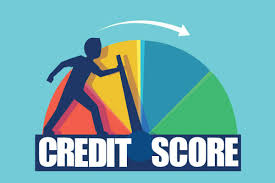
A credit score is a numerical evaluation of creditworthiness, typically ranging from poor to excellent. This number is generated using data from credit reports, which track borrowing and repayment behavior over time. Lenders rely heavily on this score to assess risk, determine interest rates, and set borrowing limits.
Beyond loans and credit cards, credit scores affect rental approvals, utility deposits, insurance premiums, and sometimes employment background checks. A higher score often translates into lower costs and greater flexibility, while a lower score limits options and increases expenses. The difference between a fair and excellent score can mean paying thousands more in interest over the life of a loan.
Understanding this impact reframes credit improvement as a wealth-building strategy rather than a defensive move. Every positive action compounds, quietly improving financial leverage over time.

How Credit Scoring Models Evaluate Financial Behavior
Credit scoring models such as FICO and VantageScore analyze patterns rather than isolated events. They look for consistency, responsibility, and stability. While the formulas are proprietary, the influencing factors are well known and predictable.
Payment behavior, debt levels, account longevity, credit variety, and recent activity all interact to form a complete picture. A strong score does not require perfection but does demand reliability. Occasional mistakes are forgiven when followed by long-term discipline.
Scores fluctuate naturally, and small changes should not cause panic. Instead, the focus should remain on trends. Upward trends signal healthy financial behavior and gradually improve borrowing power.

Payment History: Building Trust One Payment at a Time
Payment history is the most influential component of a credit score. It reflects whether obligations are met as agreed. On-time payments build credibility, while late or missed payments erode trust quickly.
Even a single late payment can cause a noticeable drop, especially on newer or thinner credit profiles. However, consistent on-time payments gradually outweigh past negatives. Credit scoring systems prioritize recent behavior, meaning improvement is always possible.
Setting up automatic payments, reminders, or calendar alerts eliminates the risk of human error. Paying more than the minimum when possible also demonstrates financial strength and accelerates debt reduction.
Credit Utilization: Managing Balances Strategically
Credit utilization measures how much available credit is being used at any given time. High utilization suggests dependency on credit and raises red flags for lenders. Keeping utilization low signals control and discipline.
The most effective strategy is to pay down balances before the statement closing date, not just before the due date. This ensures lower reported balances. Increasing credit limits responsibly can also reduce utilization without increasing debt.
Spreading expenses across multiple cards instead of maxing out one can further optimize utilization ratios. Small adjustments in timing and balance management can lead to significant score improvements.
Length of Credit History: Letting Time Work in Your Favor
The age of credit accounts provides context for financial behavior. Older accounts demonstrate experience and reliability. This is why maintaining long-standing accounts is beneficial, even if they are rarely used.
Closing older accounts reduces average account age and available credit, both of which can negatively affect scores. Keeping these accounts active with minimal usage preserves their positive impact.
Time cannot be rushed, but it can be respected. Responsible long-term account management is one of the easiest ways to support credit health.
Credit Mix: Demonstrating Financial Versatility
A balanced credit profile includes both revolving credit, such as credit cards, and installment loans, such as auto or student loans. This mix shows the ability to manage different repayment structures.
There is no need to pursue unnecessary loans for the sake of diversity. Natural progression through life events typically creates sufficient mix. The goal is responsible use, not accumulation.
Balanced credit use strengthens profiles quietly and consistently.
New Credit and Inquiry Management
Each credit application triggers a hard inquiry, which slightly lowers scores temporarily. Multiple inquiries in a short time frame can suggest financial instability.
Strategic planning reduces this impact. Researching options before applying, spacing applications, and grouping rate-shopping inquiries protects credit health. Over time, the effect of inquiries fades.
Intentional credit applications prevent unnecessary score volatility.
Monitoring Credit Reports for Accuracy
Credit reports are the foundation of credit scores. Errors such as incorrect balances, duplicate accounts, or fraudulent activity can unfairly lower scores.
Regular monitoring allows early detection and correction. Reviewing reports builds familiarity with how information is presented and what lenders see.
Awareness transforms passive credit users into proactive financial managers.
Disputing Inaccuracies Effectively
When errors appear, disputes should be clear, concise, and supported by documentation. Credit bureaus are legally required to investigate disputes within a set timeframe.
Successful disputes can remove negative marks and lead to rapid score improvements. Persistence and organization are key.
Accuracy is not optional; it is a right.
Debt Reduction Strategies for Sustainable Improvement
Reducing debt strengthens credit profiles and improves financial flexibility. The snowball method builds motivation, while the avalanche method minimizes interest costs. Both approaches work when applied consistently.
Negotiating with creditors, requesting hardship programs, or consolidating high-interest debt can ease financial pressure. However, consolidation should simplify payments, not enable overspending.
Debt reduction restores control and accelerates progress.
Rebuilding Credit After Financial Setbacks
Rebuilding credit requires patience and structure. Secured credit cards, credit-builder loans, and authorized user strategies offer controlled pathways to recovery.
The key is consistent, low-risk usage paired with on-time payments. Over time, positive data replaces negative history.
Recovery is not only possible; it is predictable with discipline.
Budgeting as the Foundation of Credit Success
A realistic budget supports every credit improvement strategy. It ensures bills are paid on time, balances remain manageable, and savings grow alongside credit strength.
Simple budgeting systems outperform complex ones. Prioritizing essentials, automating payments, and reviewing spending monthly keeps finances aligned with goals.
Budgeting transforms intention into execution.
Smart Credit Card Usage Without Stress
Credit cards should be treated as convenience tools, not extensions of income. Paying statement balances in full avoids interest and builds positive history.
Understanding billing cycles, grace periods, and reporting dates prevents accidental utilization spikes. Automation eliminates guesswork.
Used correctly, credit cards reward discipline.
Debunking Persistent Credit Myths
Many myths undermine credit improvement. Carrying a balance does not help scores. Checking personal credit does not cause harm. Closing cards rarely improves profiles.
Accurate knowledge empowers better decisions and prevents costly mistakes.
Realistic Timelines for Credit Score Improvement
Credit improvement is gradual. Small changes appear within months, while major recovery may take years. Consistency matters more than speed.
Tracking progress quarterly rather than daily reduces stress and maintains focus. Momentum builds quietly with disciplined habits.
Patience multiplies results.

Conclusion ABout How to Improve Credit Score
A credit score is a reflection of financial behavior, not a fixed label. By understanding how it works and managing it intentionally, credit becomes a strategic asset rather than a source of anxiety. Small, consistent actions compound into lasting financial strength. With discipline, awareness, and patience, anyone can improve their credit score and unlock greater financial freedom.
FAQs About How to Improve Credit Score
How often should payments be made to maximize credit score growth?
At least once per billing cycle, with balances kept low before reporting dates.
Does paying minimum balances hurt credit?
It maintains payment history but slows improvement due to higher utilization.
Can old negative marks be removed early?
Only if inaccurate; otherwise, their impact fades with time and good behavior.
Is having multiple credit cards harmful?
Not when balances are low and payments are on time.
Should credit scores be checked monthly?
Monthly checks help track trends without affecting scores.