
Balanced Diet Plan
Balanced Diet Plan: A balanced diet plan is one of the most critical pillars of good health. It provides the body with essential nutrients required for energy, growth, repair, and disease prevention. In today’s fast-paced lifestyle, poor eating habits, processed foods, and irregular meals have contributed to rising health issues such as obesity, diabetes, heart disease, and nutrient deficiencies. A well-structured, balanced diet plan helps individuals maintain optimal health, improve immunity, manage weight, and enhance overall quality of life.
This article offers a comprehensive, professional, and human-centered guide to understanding a balanced diet plan, its components, benefits, practical implementation, and its connection with preventive healthcare and health insurance benefits.
Understanding a Balanced Diet Plan
What Is a Balanced Diet Plan
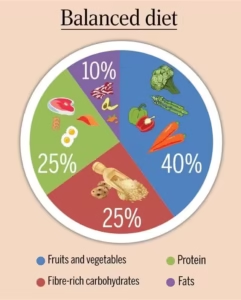
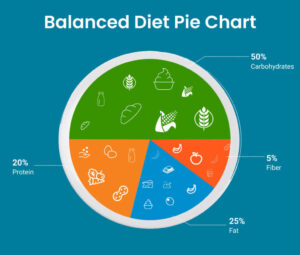
A balanced diet plan refers to consuming the right proportions of carbohydrates, proteins, fats, vitamins, minerals, fiber, and water to meet the body’s nutritional needs. It emphasizes variety, moderation, and consistency rather than restriction or extreme dieting.
Why Balance Matters in Nutrition
No single food provides all essential nutrients. Balance ensures that the body receives adequate nourishment to support metabolism, organ function, mental clarity, and physical performance while reducing the risk of chronic diseases.
Core Components of a Balanced Diet Plan
Carbohydrates: The Primary Energy Source
Carbohydrates are the body’s main fuel source and should form a significant portion of daily caloric intake.
Healthy Carbohydrate Choices
- Whole grains such as brown rice, oats, and whole wheat
- Fruits and vegetables
- Legumes and beans
Proteins: Building and Repairing the Body
Proteins are essential for muscle repair, hormone production, enzyme function, and immune support.
Quality Protein Sources
- Lean meats and poultry
- Fish and seafood
- Eggs and dairy products
- Plant-based sources such as lentils, beans, tofu, and nuts
Healthy Fats: Supporting Brain and Heart Health
Dietary fats play a vital role in nutrient absorption, hormone regulation, and brain function.
Recommended Fat Sources
- Olive oil and avocado
- Nuts and seeds
- Fatty fish such as salmon and mackerel
Vitamins and Minerals: Essential Micronutrients
Micronutrients support immunity, bone health, nerve function, and overall metabolism.
Key Sources
- Fruits and vegetables of varied colors
- Dairy products and fortified foods
- Whole grains and lean proteins
Dietary Fiber: Supporting Digestion
Fiber improves digestive health, supports blood sugar control, and promotes satiety.
High-Fiber Foods
- Whole grains
- Fruits and vegetables
- Legumes and seeds
Hydration: The Often Overlooked Nutrient
Water is essential for digestion, circulation, temperature regulation, and detoxification.
Daily Hydration Guidelines
- Drink water consistently throughout the day
- Increase intake during physical activity or hot weather
Benefits of Following a Balanced Diet Plan
Improved Energy Levels
A nutrient-dense diet ensures steady energy release and reduces fatigue.
Weight Management
Balanced eating supports healthy weight maintenance without extreme calorie restriction.
Stronger Immune System
Adequate vitamins, minerals, and antioxidants help the body fight infections and recover faster.
Better Digestive Health
Fiber-rich foods promote gut health and prevent constipation and digestive disorders.
Enhanced Mental Health
Proper nutrition supports brain function, mood stability, and cognitive performance.
Balanced Diet Plan for Different Life Stages
Children and Adolescents
A balanced diet supports growth, brain development, and academic performance.
Adults
Proper nutrition maintains energy, productivity, and disease prevention.
Older Adults
A nutrient-rich diet helps preserve muscle mass, bone strength, and cognitive health.
Balanced Diet Plan for Weight Management
Calorie Awareness Without Obsession
A balanced diet focuses on food quality rather than extreme calorie counting.
Portion Control
Understanding portion sizes helps prevent overeating while maintaining satisfaction.
Meal Timing and Consistency
Regular meals stabilize blood sugar levels and reduce unhealthy snacking.
Balanced Diet Plan for Chronic Disease Prevention
Heart Health
Reducing saturated fats and increasing fiber supports cardiovascular health.
Diabetes Management
Balanced meals help regulate blood sugar and improve insulin sensitivity.
Bone Health
Adequate calcium, vitamin D, and protein support bone density.
Creating a Practical Balanced Diet Plan
Meal Planning and Preparation
Planning meals in advance encourages healthier choices and reduces reliance on processed foods.
Reading Food Labels
Understanding nutrition labels helps identify hidden sugars, unhealthy fats, and excessive sodium.
Mindful Eating
Eating slowly and attentively improves digestion and prevents overeating.
Common Myths About Balanced Diets
Healthy Eating Is Expensive
Balanced diets can be affordable by choosing seasonal produce and whole foods.
Carbohydrates Should Be Eliminated
Healthy carbohydrates are essential for energy and overall health.
Fat Is Always Unhealthy
Healthy fats are necessary and beneficial when consumed in moderation.
Role of a Balanced Diet in Preventive Healthcare
Reducing Risk of Chronic Diseases
Consistent healthy eating lowers the risk of obesity, heart disease, and metabolic disorders.
Improving Long-Term Health Outcomes
Nutrition plays a key role in longevity and quality of life.
Brief Guide to Health Insurance Benefits Related to Nutrition
Preventive Care Coverage
Many health insurance plans include preventive services such as nutrition counseling and health screenings.
Dietitian and Nutritionist Consultations
Some insurance policies partially or fully cover visits to registered dietitians for weight management or chronic condition support.
Wellness Programs
Insurers may offer wellness incentives, nutrition coaching, or digital health platforms promoting balanced eating.
Chronic Disease Management Benefits
Health insurance often supports dietary interventions as part of diabetes, heart disease, or obesity management programs.
Conclusion: Balanced Diet as a Lifelong Health Strategy
A balanced diet plan is not a temporary solution or a restrictive eating pattern—it is a sustainable lifestyle approach to health. By providing the body with essential nutrients in the right proportions, a balanced diet supports physical strength, mental clarity, immune resilience, and emotional well-being. It adapts to individual needs, cultural preferences, and life stages, making it both practical and effective.
From a preventive healthcare perspective, balanced nutrition significantly reduces the risk of chronic illnesses, lowers healthcare costs, and improves long-term health outcomes. A balanced diet becomes an essential component of an all-encompassing health strategy when it is coordinated with health insurance wellness programs and preventive care benefits. A healthier, more productive, and more satisfying future is made possible by investing in a balanced diet now.

FAQs, or frequently asked questions
What is a balanced diet plan’s primary objective?
The main objective is to supply the body with all necessary nutrients in the right amounts to preserve health and fend off illness.
Can weight loss be aided by a balanced diet?
Indeed. By increasing metabolism and decreasing unhealthy cravings, a balanced diet encourages healthy weight loss.
Can vegetarians follow a balanced diet?
Of course. Plant-based diets can provide a balanced diet by incorporating a variety of protein and nutrient sources.
How many meals should a balanced diet include
Most individuals benefit from three main meals and one to two healthy snacks per day.
Do I need supplements if I follow a balanced diet
In most cases, a balanced diet provides sufficient nutrients, but supplements may be recommended under medical guidance.
Can children follow a balanced diet plan
Yes. Balanced nutrition is essential for growth, development, and learning in children.
Is a balanced diet expensive
Not necessarily. Simple, whole foods and home-cooked meals can make balanced eating affordable.
Does health insurance cover nutrition counseling
Many insurance plans offer coverage for dietitian consultations, especially for preventive or chronic care.
How long does it take to see benefits from a balanced diet
While long-term advantages take time to manifest, improvements in energy and digestion may be apparent in a matter of weeks.
Is a balanced diet better than fad diets
Yes. Balanced diets are sustainable, safer, and supported by scientific evidence for long-term health.