Introduction to Stress Management Techniques
Stress Management Techniques: Stress has become one of the most common yet underestimated challenges of modern life. From demanding work schedules and financial responsibilities to health concerns and personal expectations, stress silently affects millions of people every day. While short bursts of stress can sometimes be motivating, prolonged or unmanaged stress can seriously impact mental clarity, emotional stability, and physical health.
This in-depth guide explores proven stress management techniques designed for real people dealing with real-life pressures. The article offers practical, science-backed strategies that might be applied immediately, while also highlighting the role of health insurance benefits in supporting mental well-being. Whether you are a professional, student, caregiver, or business owner, this guide is designed to help you regain control and live with greater balance and resilience.
Understanding Stress and Why It Matters
What Stress Really Is
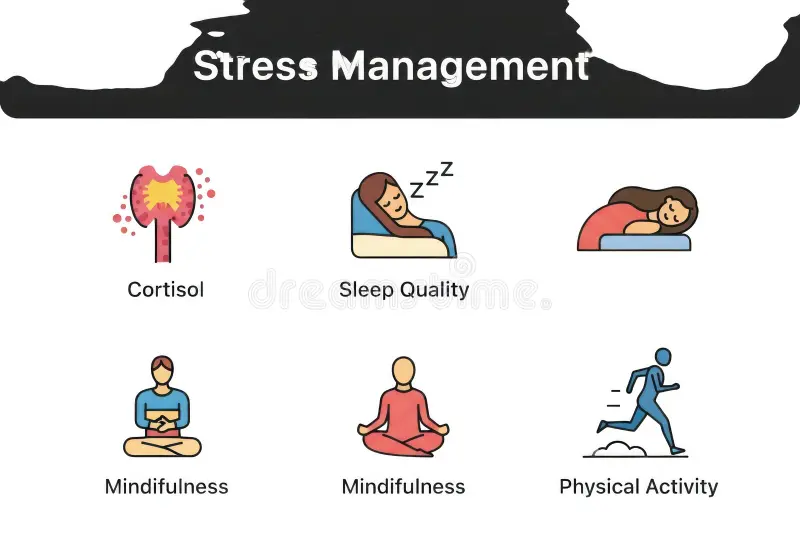
Stress is the body’s natural response to situations perceived as challenging or threatening. When stress occurs, the brain triggers the release of hormones such as cortisol and adrenaline, preparing the body for action. This response can be useful in short-term situations but becomes harmful when activated too frequently or for long periods.
Common Sources of Daily Stress
Stress can originate from multiple areas of life, including:
- Workplace demands, tight deadlines, and job insecurity
- Financial obligations, debt, or rising living costs
- Health issues, chronic illness, or medical uncertainty
- Personal relationships, family conflicts, or social pressures
- Lifestyle habits, poor sleep, lack of physical activity, or unhealthy eating
How Chronic Stress Affects the Body and Mind
Long-term stress does not remain limited to emotional discomfort. It contributes to serious health conditions such as high blood pressure, heart disease, weakened immunity, anxiety disorders, depression, digestive problems, and sleep disturbances. Learning and applying stress management techniques early can prevent these outcomes and improve overall quality of life.
Why Stress Management Techniques Are Essential
The Value of Proactive Stress Management
Stress management techniques are not just coping tools; they are essential life skills. They help individuals respond to challenges calmly, think clearly under pressure, and maintain emotional control during difficult situations.
Long-Term Benefits of Managing Stress Effectively
- Improved mental focus and decision-making
- Enhanced emotional stability and confidence
- Better physical health and immunity
- Stronger personal and professional relationships
- Increased productivity and job satisfaction
Mental and Psychological Stress Management Techniques
Cognitive Awareness and Thought Control
Recognizing Stress-Inducing Thought Patterns
Many people experience stress not only because of events but because of how they interpret them. Negative thinking patterns such as overgeneralization, catastrophizing, or constant self-criticism significantly increase stress levels.
Reframing Thoughts for Emotional Balance
By consciously challenging negative thoughts and replacing them with realistic, solution-focused perspectives, individuals can reduce emotional distress and improve mental resilience.
Mindfulness and Mental Presence
Practicing Present-Moment Awareness
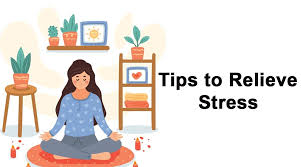
Mindfulness encourages focusing on the present rather than worrying about the past or future. This practice reduces anxiety and enhances emotional regulation.
Mindfulness-Based Stress Reduction Programs
Structured mindfulness programs combine meditation, breathing exercises, and awareness techniques to create long-lasting stress relief.
Physical Stress Management Techniques
Exercise as a Natural Stress Reliever
How Physical Activity Reduces Stress
Exercise lowers cortisol levels and stimulates the release of endorphins, which naturally elevate mood and reduce anxiety.
Effective Exercise Options for Stress Relief
- Brisk walking or jogging
- Yoga and stretching routines
- Resistance training
- Swimming or cycling
Breathing and Relaxation Techniques
Deep Breathing for Immediate Calm
Slow, controlled breathing signals the nervous system to relax, making it one of the fastest ways to reduce stress.
Box Breathing and Diaphragmatic Breathing
These techniques help regulate heart rate, improve oxygen flow, and reduce physical tension during stressful moments.
Lifestyle-Based Stress Management Techniques
Sleep Hygiene and Stress Reduction
The Sleep-Stress Connection
Poor sleep increases stress, while stress disrupts sleep, creating a cycle that damages mental and physical health.
Healthy Sleep Habits for Stress Control
- Maintain consistent sleep and wake times
- Reduce screen exposure before bedtime
- Create a calm, dark sleeping environment
Nutrition and Stress Management
Stress-Reducing Foods
- Whole grains for steady energy
- Lean proteins for brain health
- Fruits and vegetables rich in antioxidants
- Omega-3 fatty acids for mood regulation
Foods That Increase Stress Levels
Excessive caffeine, sugary snacks, and highly processed foods can worsen anxiety and mood swings.
Emotional and Social Stress Management Techniques
Healthy Emotional Expression
Releasing Emotions Safely
Suppressing emotions often leads to increased stress. Writing, creative activities, or open conversations can help release emotional tension.
The Power of Social Support
Why Strong Relationships Matter
Supportive relationships provide reassurance, perspective, and emotional safety, all of which help reduce stress.
Professional Mental Health Support
Therapists and counselors help individuals develop personalized stress management plans and coping strategies.
Workplace Stress Management Techniques
Time Management and Organization
Prioritizing Tasks Effectively
Using schedules, task lists, and realistic deadlines can significantly reduce work-related stress.
Setting Professional Boundaries
Preventing Burnout
Clear boundaries between work and personal life protect mental health and improve long-term performance.
Creating a Healthier Work Environment
Regular breaks, ergonomic setups, and open communication contribute to lower workplace stress.
Health Insurance and Stress Management Support
Mental Health Coverage Benefits
Many modern health insurance plans include coverage for mental health services such as therapy, counseling, and psychiatric care.
Wellness and Preventive Care Programs
Employer- and Insurance-Based Wellness Support
Some insurers provide stress management programs, meditation tools, employee assistance programs, and preventive mental health screenings.
Why Health Insurance Reduces Stress
Access to affordable mental health care reduces financial pressure and encourages early intervention before stress-related conditions worsen.
Holistic and Complementary Stress Management Techniques
Yoga and Meditation Practices
Enhancing the Mind-Body Connection
Yoga and meditation promote relaxation, flexibility, and emotional balance by aligning physical movement with mental focus.
Aromatherapy and Sensory Relaxation
Using Natural Scents for Calmness
Essential oils such as lavender, chamomile, and eucalyptus can promote relaxation when used responsibly.
Building Long-Term Stress Resilience
Developing Emotional Intelligence
Understanding emotions and responding thoughtfully rather than reactively improves stress tolerance.
Strengthening Personal Resilience
Resilience is built through self-awareness, adaptability, optimism, and continuous learning from challenges.
Conclusion
Stress may be unavoidable, but suffering from it is not. By applying effective stress management techniques, individuals can regain control over their mental and physical well-being. From contemplation and exercise to lifestyle changes and professional support, managing stress requires a comprehensive and consistent approach.
Equally important is recognizing the role of health insurance benefits in supporting mental wellness. Access to professional care and preventive programs removes barriers to stress handling and promotes long-term health. When stress management becomes a daily practice rather than a reaction, individuals experience improved focus, stronger relationships, better health, and a higher quality of life.
Frequently Asked Questions (FAQs)
What are the most effective stress management techniques?
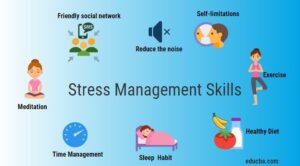
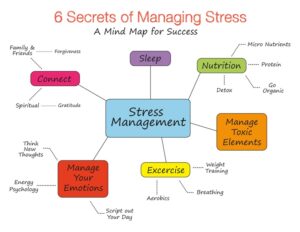
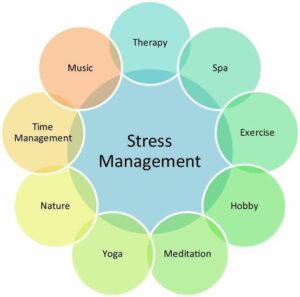
The most effective techniques include regular physical activity, mindfulness practices, breathing exercises, time management, quality sleep, and social support.
Can stress management techniques work without medication?
Many people successfully manage stress without medication using structured techniques. However, medical advice should always be followed when necessary.
How quickly can stress management techniques show results?
Some techniques provide immediate relief, while others offer gradual improvements over weeks of consistent practice.
Does health insurance cover stress-related therapy?
Many insurance plans cover mental health services, including therapy and counseling. Coverage varies by policy.
Is stress management useful for workplace burnout?
Yes, structured stress management techniques are highly effective in preventing and recovering from burnout.
Are these techniques suitable for all age groups?
Yes, stress management techniques can be adapted for children, adults, and seniors with appropriate guidance.