Self-Care for Mental Health
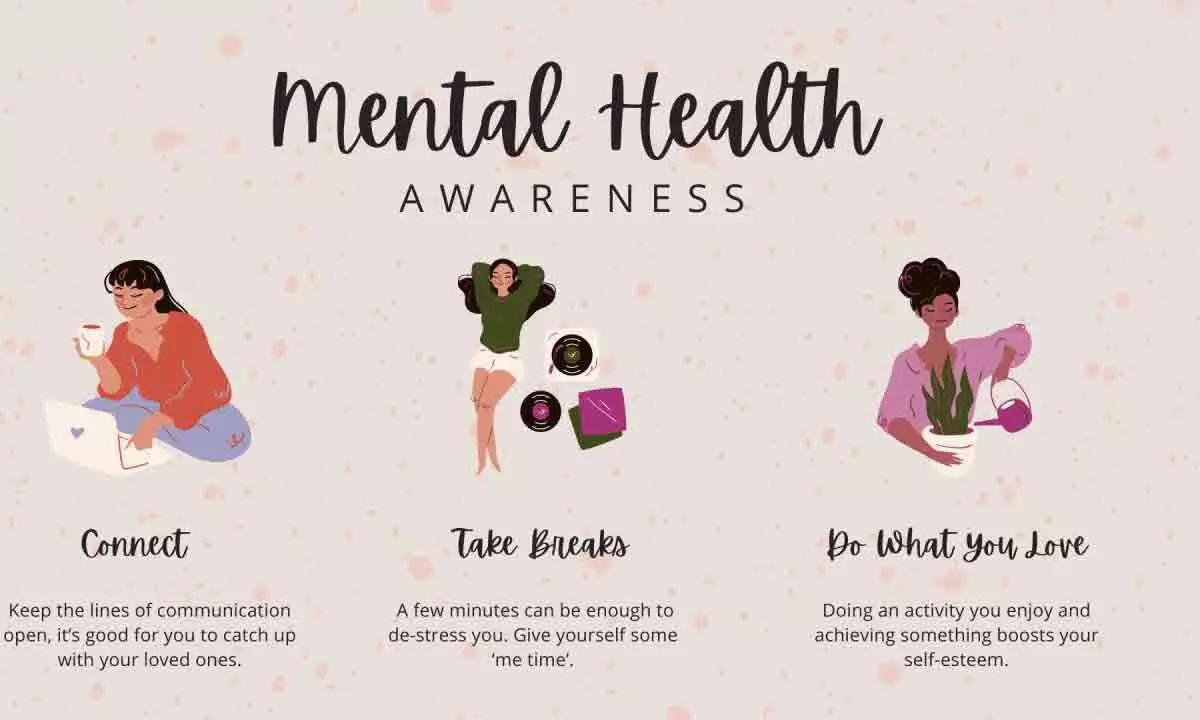
Self care for mental health: Self-care for mental health is no longer a luxury or a trend. It is a necessary part of maintaining emotional stability, clarity, and resilience in everyday life. Mental health affects how individuals think, feel, work, and connect with others. Without proper care, emotional stress can quietly build up and impact physical health, productivity, and relationships.
This guide explains what self-care for mental health truly means, why it matters, how to practice it consistently, and how health insurance benefits may support mental health care and wellness services.
Understanding Self-Care for Mental Health
What Self-Care for Mental Health Really Means
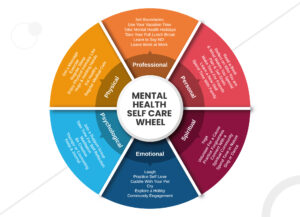
Self-care for mental health refers to intentional actions taken to protect emotional well-being, manage stress, and support psychological balance. It is not limited to relaxation or leisure activities. Instead, it includes daily habits, boundaries, and choices that support emotional resilience and mental clarity.
Why Mental Health Self-Care Is Essential
Without mental health self-care, stress can become chronic, leading to emotional exhaustion, reduced focus, and difficulty coping with daily challenges. Consistent self-care helps regulate emotions, improve decision-making, and support long-term mental stability.
Core Pillars of Mental Health Self-Care
Emotional Awareness
Understanding emotions is the foundation of mental health self-care.
Recognizing Emotional Signals
Emotions often communicate unmet needs or stress. Identifying these signals early allows individuals to respond before emotional overload occurs.
Stress Management
Managing stress is a central component of self-care for mental health.
Reducing Emotional Pressure
Stress management techniques help prevent anxiety, irritability, and burnout.
Healthy Boundaries
Boundaries protect emotional energy and reduce overwhelm.
Learning to Say No
Respecting personal limits is a powerful form of mental self-care.
Daily Self-Care Practices for Mental Health
Mindfulness and Mental Presence
Mindfulness supports awareness of thoughts and emotions without judgment.
Practicing Mental Stillness
Short moments of mindfulness can reduce emotional reactivity and improve focus.
Quality Sleep and Mental Health
Sleep plays a critical role in emotional regulation.
Creating Restful Routines
Consistent sleep habits help stabilize mood and reduce emotional fatigue.
Nutrition and Mental Well-Being
Food choices can influence energy levels and emotional balance.
Supporting the Brain Through Nutrition
Balanced meals support concentration, mood, and stress management.
Physical Activity as Mental Health Self-Care
Movement and Emotional Balance
Physical activity supports mental health by reducing stress hormones and improving mood.
Choosing Sustainable Activities
Walking, stretching, yoga, or strength training can all support emotional wellness.
Consistency Over Intensity
Regular movement is more beneficial for mental health than occasional intense exercise.
Emotional Self-Care Strategies
Journaling and Emotional Expression
Writing thoughts and feelings helps process emotions and reduce mental clutter.
Clarifying Thoughts Through Writing
Journaling encourages reflection and emotional awareness.
Practicing Self-Compassion
Self-compassion involves treating oneself with patience and understanding.
Reducing Self-Criticism
Replacing harsh self-judgment with supportive self-talk improves emotional health.
Social Self-Care and Mental Health
Healthy Relationships
Supportive relationships are essential for emotional well-being.
Maintaining Meaningful Connections
Quality social interactions provide comfort, perspective, and emotional support.
Limiting Emotional Drain
Not all relationships support mental health equally.
Protecting Emotional Energy
Choosing relationships wisely is an important self-care practice.
Self-Care for Mental Health in the Workplace
Managing Work-Related Stress
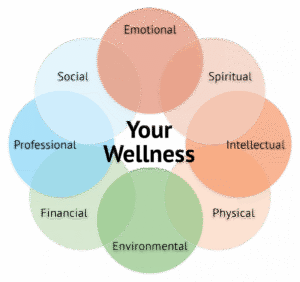
Work stress is a common contributor to mental strain.
Creating Mental Separation From Work
Setting boundaries between work and personal time supports emotional recovery.
Emotional Awareness at Work
Understanding emotions improves communication and decision-making.
Mental Health Self-Care During Difficult Times
Coping With Emotional Overload
Periods of uncertainty or loss increase emotional demands.
Adjusting Expectations
Reducing pressure during difficult times supports mental recovery.
Building Emotional Resilience
Resilience allows individuals to recover and adapt after challenges.
Learning From Experience
Difficult situations can strengthen emotional coping skills over time.
The Role of Professional Support in Mental Health Self-Care
When Self-Care Is Not Enough
Self-care does not replace professional mental health care.
Recognizing the Need for Support
Persistent distress may require professional guidance.
Therapy and Counseling
Professional support offers structured tools and perspective.
Integrating Therapy Into Self-Care
Therapy complements daily self-care practices rather than replacing them.
Health Insurance Benefits and Mental Health Self-Care
Mental Health Coverage
Many health insurance plans include mental health services such as therapy, counseling, and psychiatric support.
Preventive and Wellness Benefits
Some insurance plans offer wellness programs, stress management resources, or mental health screenings.
Employee Assistance Programs
Employer-sponsored plans may include short-term counseling and mental health resources.
Understanding Your Insurance Benefits
Coverage varies by plan. Reviewing policy documents or contacting providers helps clarify available mental health services.

Self-Care for Mental Health Across Life Stages
Mental Health Self-Care for Young Adults
Early self-care habits support emotional growth and resilience.
Self-Care During Midlife
Balancing responsibilities increases the importance of emotional boundaries and stress management.
Mental Health Self-Care in Later Life
Later-life self-care focuses on connection, purpose, and emotional adaptability.
Common Myths About Self-Care for Mental Health
Self-Care Is Selfish
Caring for mental health supports healthier relationships and productivity.
Self-care means avoiding stress.
Stress is part of life. Self-care focuses on managing stress effectively.
Creating a Personalized Mental Health Self-Care Plan
Identifying Personal Needs
Self-care should be tailored to individual emotional needs and lifestyle.
Setting Realistic Self-Care Goals
Small, consistent actions are more effective than unrealistic plans.
Reassessing and Adjusting Over Time
Mental health needs change, and self-care plans should adapt accordingly.
Conclusion About Self Care for Mental Health
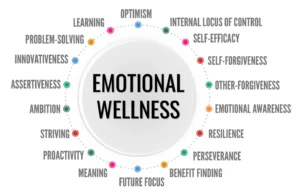
Self-care for mental health is an essential, ongoing commitment to emotional well-being. It involves understanding emotions, managing stress, setting boundaries, and seeking support when needed. Rather than being a one-time solution, self-care is a collection of daily practices that support mental clarity, resilience, and balance. By integrating emotional awareness, healthy routines, physical activity, and social support, individuals can strengthen their ability to cope with life’s challenges. Understanding available health insurance benefits, such as mental health coverage and wellness programs, can further support mental well-being by making professional care more accessible. With consistency, patience, and self-awareness, self-care for mental health becomes a powerful foundation for a healthier and more balanced life.
Frequently Asked Questions About Self Care for Mental Health
What is the most important part of self-care for mental health?
Emotional awareness and stress management are foundational, as they influence daily reactions and coping ability.
How often should I practice mental health self-care?
Mental health self-care should be practiced daily through small, consistent habits.
Can self-care replace professional mental health treatment?
Self-care supports mental health but does not replace professional care when clinical support is needed.
Does health insurance usually cover mental health services?
Many plans include mental health coverage, though benefits vary by provider and policy.
What are simple self-care practices for busy schedules?
Short walks, mindful breathing, setting boundaries, and quality sleep are effective and manageable.
Is self-care for mental health different for everyone?
Yes. Effective self-care depends on individual needs, lifestyle, and emotional challenges.
How long does it take to see benefits from mental health self-care?
Some benefits are immediate, while long-term improvements develop with consistent practice.