Emotional Wellness
Emotional Wellness: Although it is frequently disregarded, emotional wellness is an essential component of general health. While physical health is visible and measurable, emotional wellness works quietly in the background, shaping how individuals handle stress, build relationships, and navigate life’s challenges. Emotional wellness does not mean feeling positive all the time. Instead, it reflects the ability to understand emotions, respond to them effectively, and maintain balance during both good and difficult moments.
In a world filled with constant change, work pressure, and personal responsibilities, emotional wellness plays a critical role in maintaining long-term mental clarity, resilience, and quality of life.
Understanding Emotional Wellness
What Emotional Wellness Truly Means
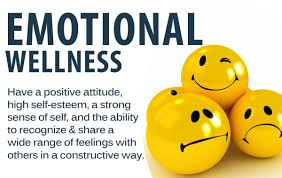
Emotional mental health refers to the ability to recognize, accept, and manage emotions in a healthy way. It involves being aware of feelings, expressing them appropriately, and responding to stress without becoming overwhelmed. Emotional health supports stability, adaptability, and a sense of control over one’s emotional experiences.
Why Emotional Wellness Is Essential
Emotional condition affects nearly every area of life, including work performance, personal relationships, physical health, and decision-making. Poor emotional health can contribute to chronic stress, emotional exhaustion, and reduced life satisfaction, while strong emotional state of wellness promotes confidence, calmness, and emotional balance.
Core Elements of Emotional Wellness
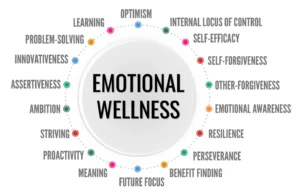
Emotional Awareness
Emotional awareness is the ability to notice emotions as they arise and understand their source.
Recognizing Emotional Patterns
By identifying recurring emotional patterns, individuals can better understand how thoughts, situations, and behaviors influence their emotional state.
Emotional Regulation
Emotional regulation involves responding to emotions in a constructive and healthy manner.
Managing Intense Emotions
Rather than suppressing emotions, emotionally well individuals learn techniques to calm strong reactions and regain balance.
Emotional Resilience
Resilience is the capacity to recover from setbacks and adapt to difficult circumstances.
Building Strength Through Experience
Life challenges can strengthen emotional resilience when approached with self-awareness and reflection.
Emotional Wellness and Mental Health
How Emotional Wellness Supports Mental Health
Emotional fitness acts as a protective factor against mental health concerns. Individuals who understand and manage their emotions are better equipped to cope with anxiety, stress, and mood changes.
Preventing Emotional Burnout
Burnout often develops when emotional stress goes unmanaged for long periods. Emotional psychological wellness practices help prevent exhaustion by promoting rest, boundaries, and emotional balance.
Daily Habits That Strengthen Emotional Wellness
Stress Management Techniques
Managing stress is essential for maintaining emotional stability.
Relaxation and Recovery
Breathing exercises, meditation, stretching, and time outdoors can reduce emotional tension and restore calm.
Healthy Sleep Habits
Sleep plays a vital role in emotional regulation and mental clarity.
Improving Sleep Quality
Consistent sleep routines, limiting caffeine, and reducing screen exposure support better emotional health.
Physical Activity and Emotional Balance
Movement supports emotional wellness by reducing stress hormones and improving mood.
Consistency Over Intensity
Regular, moderate physical activity is more beneficial for emotional health than occasional intense workouts.
Emotional Wellness in Relationships
Healthy Emotional Communication
Clear and respectful communication strengthens emotional connections and reduces conflict.
Expressing Needs and Feelings
Learning to communicate emotions calmly prevents misunderstandings and emotional distance.
Setting Emotional Boundaries
Boundaries protect emotional well-being by preventing emotional overload.
Maintaining Healthy Limits
Saying no when necessary helps preserve emotional energy and reduce resentment.
Social Connection and Emotional Support
Human connection is essential for emotional wellness.
The Importance of Belonging
Supportive relationships provide reassurance, perspective, and emotional comfort during difficult times.

Emotional Wellness in Professional Life
Managing Workplace Stress
Work-related stress can significantly impact emotional health.
Balancing Work and Personal Life
Establishing boundaries between work and personal time reduces emotional fatigue.
Emotional Intelligence at Work
Emotional intelligence improves collaboration, leadership, and conflict resolution.
Responding Instead of Reacting
Understanding emotions helps individuals respond professionally under pressure.
Long-Term Development of Emotional Wellness
Self-Compassion and Emotional Growth
Self-compassion involves treating oneself with patience and understanding.
Reducing Self-Criticism
Replacing harsh self-judgment with constructive reflection supports emotional healing.
Personal Reflection and Growth
Self-reflection helps individuals understand emotional triggers and personal values.
Learning From Experience
Emotional wellness improves when experiences are viewed as opportunities for growth.
Emotional Wellness and Health Insurance Benefits
Mental and Behavioral Health Coverage
Many health insurance plans include coverage for mental health services such as therapy, counseling, and behavioral health support.
Preventive Wellness Programs
Some insurance providers offer wellness initiatives, stress management programs, and emotional health resources as part of preventive care.
Employee Assistance Programs
Employer-sponsored insurance plans may include employee assistance programs that provide short-term counseling and emotional support services.
Understanding Coverage Options
Insurance benefits vary by plan. Reviewing policy details or contacting an insurance representative helps clarify available emotional wellness services.
Emotional Wellness Across Life Stages
Emotional Wellness in Early Adulthood
Developing emotional awareness early supports healthier relationships and career growth.
Emotional Wellness in Midlife
Managing responsibilities, career demands, and personal changes requires strong emotional regulation skills.
Emotional Wellness in Later Life
Emotional wellness in older adulthood focuses on connection, purpose, adaptability, and maintaining emotional balance during transitions.
Common Misconceptions About Emotional Wellness
Emotional Wellness Means Avoiding Negative Emotions
Experiencing sadness, anger, or frustration is normal. Emotional wellness involves managing emotions, not eliminating them.
Seeking Emotional Support Is a Weakness
Seeking support reflects self-awareness and a commitment to emotional health.
Practical Strategies to Improve Emotional Wellness
Journaling and Emotional Expression
Writing thoughts and feelings helps process emotions and gain clarity.
Mindfulness and Present Awareness
Mindfulness encourages awareness without judgment, improving emotional regulation.
Professional Emotional Support
Counselors and therapists provide structured guidance and coping tools for emotional challenges.

Conclusion
Emotional wellness is a lifelong journey that influences mental clarity, relationships, physical health, and overall life satisfaction. By developing emotional awareness, practicing healthy coping strategies, and building resilience, individuals can navigate stress and change with greater confidence and stability. Emotional wellness does not mean controlling emotions perfectly, but rather understanding them and responding thoughtfully. Access to health insurance benefits, such as mental health coverage and wellness programs, can further support emotional well-being by making professional resources more accessible. With consistency, self-compassion, and awareness, emotional wellness becomes a powerful foundation for a balanced and fulfilling life.
Frequently Asked Questions
What are the signs of good emotional wellness?
Emotional balance, healthy coping skills, self-awareness, and the ability to manage stress effectively are common signs.
How does emotional wellness affect physical health?
Chronic stress can affect sleep, digestion, and immunity. Emotional wellness helps reduce these physical effects.
Can emotional wellness prevent mental health conditions?
While it may not prevent all conditions, strong emotional wellness can reduce risk and improve coping ability.
Does health insurance usually cover emotional wellness services?
Many plans cover mental and behavioral health services, though coverage varies.
How long does it take to improve emotional wellness?
Improvement is gradual and ongoing. Small daily habits can lead to meaningful long-term changes.
Is emotional wellness important in the workplace?
Yes. Emotional wellness improves focus, communication, and job satisfaction.
Can emotional wellness be improved without professional help?
Self-care practices help, but professional support can accelerate progress and provide structure.