Sustainable Weight Loss
Sustainable Weight Loss: Sustainable weight loss is not about extreme diets, rapid transformations, or short-term fixes. It is about making realistic, consistent changes that support long-term health. Many people lose weight temporarily, only to regain it later because the approach was not sustainable. True success comes from building habits that fit into everyday life and can be maintained over time.
This guide explains what sustainable weight loss really means, how it works, and how health insurance benefits may support certain weight-related services.

Understanding Sustainable Weight Loss
What Sustainable Weight Loss Means
Sustainable weight loss focuses on gradual progress rather than quick results. It places a strong emphasis on eating well, exercising frequently, and making lifestyle adjustments that can be sustained for years rather than just a few weeks. The goal is not just to lose weight but to improve overall health and reduce the risk of chronic conditions.
Why Quick Fixes Often Fail
Crash diets and extreme exercise plans may lead to fast weight loss, but they are difficult to maintain. These approaches often ignore long-term habits, leading to frustration, burnout, and weight regain. Sustainable weight loss takes a more balanced and realistic approach.

The Foundations of Sustainable Weight Loss
Balanced Nutrition
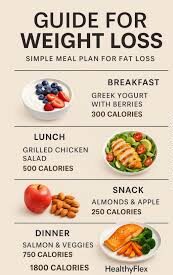
A sustainable eating plan includes a wide range of foods that provide essential nutrients. Instead of cutting out entire food groups, the focus is on portion control, balanced meals, and mindful eating.
Quality Over Restriction
Choosing whole foods such as vegetables, fruits, lean proteins, whole grains, and healthy fats supports long-term success more effectively than strict calorie limits.
Regular Physical Activity
Physical activity supports weight loss and overall health. Sustainable plans prioritize movement that fits individual preferences and abilities.
Finding Enjoyable Activities
Walking, cycling, swimming, or strength training can all support weight management. Enjoyment increases consistency and long-term adherence.
Lifestyle and Behavior Changes
Weight management is closely associated to everyday habits such as sleep, stress management, and emotional well-being.
Addressing Emotional Eating
Learning to recognize emotional triggers and developing healthier coping strategies plays an important role in sustainable weight loss.
Setting Realistic Weight Loss Goals
Healthy Expectations
Sustainable weight loss is typically gradual. Setting realistic goals helps maintain motivation and reduces frustration.
Focusing on Non-Scale Progress
Improvements in energy levels, strength, mobility, and confidence are important indicators of success, even if the scale moves slowly.

Sustainable Eating Habits
Mindful Eating
Mindful eating encourages awareness of hunger and fullness cues, helping individuals avoid overeating.
Meal Planning and Preparation
Planning meals in advance supports better food choices and reduces reliance on highly processed foods.
Consistency Over Perfection
Occasional indulgences are part of a balanced lifestyle. Sustainability comes from consistency, not perfection.
Physical Activity for Long-Term Success
Building an Active Routine
Sustainable weight loss includes physical activity that can be sustained over time.
Strength Training and Metabolism
Strength training supports muscle mass, which helps maintain metabolism during weight loss.
Staying Active Beyond Workouts
Daily movement, such as walking more or reducing sedentary time, contributes significantly to long-term health.

Common Challenges in Sustainable Weight Loss
Weight Loss Plateaus
Plateaus are a normal part of the process. Adjusting habits gradually can help overcome them.
Time and Schedule Constraints
Busy schedules can make healthy habits challenging. Flexible routines improve long-term success.
Motivation Fluctuations
Motivation naturally changes over time. Building habits reduces reliance on motivation alone.
The Role of Support Systems
Professional Guidance
Nutritionists, fitness professionals, and healthcare providers can offer personalized support and accountability.
Social and Family Support
Encouragement from family or friends helps reinforce healthy behaviors.

Health Insurance Benefits and Sustainable Weight Loss
Preventive Care and Wellness Services
Some health insurance plans include preventive care benefits that support weight management, such as nutrition counseling or wellness programs.
Coverage for Medical Nutrition Therapy
In certain cases, insurance may cover medical nutrition therapy when weight management is related to conditions like diabetes or heart disease.
Behavioral Health Support
Insurance plans may also include coverage for behavioral counseling, which can support habit change and emotional well-being.
Understanding Your Insurance Coverage
Coverage varies by plan. Reviewing policy details or speaking with an insurance provider can clarify available benefits related to weight management.
Sustainable Weight Loss for Different Life Stages
Weight Loss for Busy Professionals
Flexible routines and simple meal strategies help professionals maintain consistency.
Weight Management for Older Adults
Programs for older adults prioritize joint health, mobility, and gradual progress.
Weight Loss With Medical Conditions
Individuals with health conditions benefit from tailored approaches developed with healthcare professionals.
Long-Term Strategies for Weight Maintenance
Transitioning From Weight Loss to Maintenance
Sustainable weight loss includes a clear plan for maintaining results after initial goals are reached.
Regular Self-Monitoring
Ongoing awareness of habits helps prevent gradual weight regain.
Adapting to Life Changes
Sustainable strategies allow adjustments for changing schedules, stress levels, or health needs.
Conclusion
Sustainable weight loss is a long-term commitment to healthier living rather than a short-term goal. By focusing on balanced nutrition, regular physical activity, and realistic lifestyle changes, individuals can achieve and maintain weight loss in a way that supports overall health. The process requires patience, consistency, and flexibility, but the benefits extend far beyond the number on the scale. Understanding available health insurance benefits, such as preventive care and nutrition counseling, can also make sustainable weight management more accessible. When approached thoughtfully, sustainable weight loss becomes a foundation for improved energy, confidence, and long-term well-being.
Frequently Asked Questions
What is the safest way to achieve sustainable weight loss?
The safest approach focuses on gradual changes, balanced nutrition, and regular physical activity rather than extreme dieting.
How long does sustainable weight loss take?
Sustainable weight loss is a long-term process. Progress may be gradual, but it is more likely to last.
Can health insurance help with weight loss efforts?
Some insurance plans offer coverage for nutrition counseling, preventive services, or behavioral support related to weight management.
Do I need to exercise every day to lose weight sustainably?
Daily movement is beneficial, but rest days are also important. Consistency matters more than intensity.
What happens after I reach my weight loss goal?
Maintaining healthy habits is key. Sustainable weight loss includes a maintenance plan to support long-term results.
Is sustainable weight loss possible without strict dieting?
Yes. Sustainable weight loss focuses on balanced eating patterns rather than strict restrictions.
How can I stay motivated long-term?
Building habits, tracking non-scale progress, and seeking support help maintain motivation over time.