
Weight Loss Programs
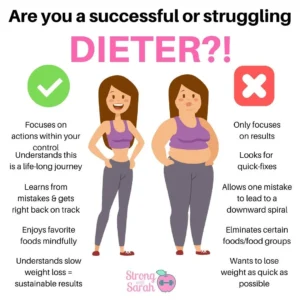
Transform Your Life Weight Loss Programs: Weight loss is a goal many people share, but achieving it in a healthy and lasting way can be challenging. Weight loss programs are designed to provide structure, guidance, and support for individuals who want to manage their weight responsibly. Rather than focusing on quick fixes, these programs emphasize long-term lifestyle changes that improve overall health and well-being.
This guide explains how weight loss programs work, the different types available, and how health insurance benefits may support certain weight management services.
Understanding Weight Loss Programs
What Is a Weight Loss Program?
A weight loss program is a structured plan that helps individuals reduce body weight through a combination of nutrition guidance, physical activity, and behavior modification. These programs are designed to be practical and adaptable, making them suitable for people with different lifestyles, ages, and health conditions.
Why Structure Matters
Without structure, weight loss efforts often become inconsistent. A well-designed program provides clear goals, progress tracking, and guidance, helping individuals stay focused and motivated over time.

Types of Weight Loss Programs
Medical Weight Loss Programs
Medical weight loss programs are frequently advised for people with health issues related to obesity and are overseen by medical professionals.
Clinical Monitoring and Support
These programs may include medical evaluations, personalized nutrition plans, and ongoing health monitoring to ensure safety and effectiveness.
Lifestyle-Based Weight Loss Programs
Lifestyle programs focus on daily habits such as balanced eating, regular movement, sleep quality, and stress management. They are suitable for individuals seeking gradual and sustainable weight loss.
Digital and Online Weight Loss Programs
Online programs use mobile apps and digital tools to track meals, activity, and progress. They offer flexibility and convenience, especially for people with busy schedules.
Fitness-Focused Weight Loss Programs
These programs emphasize physical activity, including strength training, cardio exercises, and mobility routines. They are often paired with basic nutritional guidance.
Diet-Focused Weight Loss Programs
Diet-focused programs center on improving food choices rather than strict calorie restriction. The objective is to establish a realistic, balanced eating pattern that can be sustained over time.

How Weight Loss Programs Work
Nutrition Planning
Most programs encourage balanced meals that include proteins, healthy fats, whole grains, and fruits and vegetables. In general, moderation is preferred over severe restrictions.
Physical Activity Integration
Exercise recommendations are usually tailored to individual fitness levels. Even low-impact activities such as walking or stretching can play an important role in weight management.
Behavioral and Lifestyle Changes
Successful weight loss often depends on addressing habits related to stress, emotional eating, and sleep. Many programs include coaching or educational resources to support these changes.
Benefits of Weight Loss Programs
Accountability and Consistency
Regular check-ins and progress tracking help individuals stay consistent and focused on their goals.
Personalized Guidance
Many programs adapt recommendations based on progress, preferences, and challenges, making the experience more effective and realistic.
Improved Overall Health
In addition to weight reduction, participants often experience improvements in energy levels, mobility, and general wellness.
Common Challenges in Weight Loss Programs
Motivation and Plateaus
Weight loss is rarely linear. Temporary plateaus are normal and can be managed with patience and small adjustments.
Time Management
Balancing work, family, and health goals can be difficult. Programs that fit easily into daily routines are often more successful.
Emotional Factors
Stress and emotional eating can interfere with progress. Programs that address mindset and coping strategies offer added value.

Choosing the Right Weight Loss Program
Setting Realistic Expectations
Healthy weight loss is gradual. Programs that promise rapid or extreme results should be approached with caution.
Lifestyle Compatibility
The best program is one that aligns with your daily routine, food preferences, and activity level.
Cost and Accessibility
Before enrolling, consider the program’s cost, duration, and available support to ensure it fits your budget and needs.
Health Insurance and Weight Loss Programs
When Insurance May Provide Coverage
Some health insurance plans offer coverage for medically necessary weight loss services, particularly when related to chronic conditions such as obesity, diabetes, or heart disease.
Preventive and Wellness Benefits
Insurance policies may include benefits for nutritional counseling, preventive screenings, or behavioral therapy as part of wellness programs.
Understanding Your Policy
Coverage varies by provider and plan. You can find out what services are covered by looking over policy documents or getting in touch with your insurance company.
Weight Loss Programs for Different Needs
Programs for Busy Individuals
Flexible programs with online tools or self-guided plans are often suitable for people with demanding schedules.
Programs for Older Adults
Senior-focused programs prioritize safety, joint health, and gradual progress.
Programs for Medical Conditions
Individuals with existing health conditions may benefit from programs designed in collaboration with healthcare professionals.

Myths About Weight Loss Programs
Faster Is Not Always Better
Rapid weight loss can be difficult to maintain. Sustainable progress is more beneficial in the long run.
No Universal Solution
Each person’s body and lifestyle are different. Effective programs recognize and adapt to these differences.
Tips for Long-Term Success
Focus on Small Changes
Consistent small improvements often lead to better results than drastic changes.
Track More Than Weight
Measurements such as energy levels, strength, and daily habits can provide a fuller picture of progress.
Build Support Systems
Encouragement from family, friends, or structured programs can improve consistency and motivation.

Conclusion
Weight loss programs offer a structured and practical way to manage weight while improving overall health. By focusing on balanced nutrition, regular physical activity, and sustainable lifestyle changes, these programs help individuals move toward long-term success rather than short-term results. Understanding the different program options and potential health insurance benefits can make the process more accessible and informed. With patience, consistency, and the right approach, weight loss becomes a manageable and positive journey toward better well-being.
Frequently Asked Questions
Are weight loss programs safe?
Most reputable programs focus on gradual, healthy weight loss and are safe when followed correctly.
Can health insurance help with weight loss costs?
Some insurance plans offer coverage for medical weight loss services and preventive care.
How long does a weight loss program usually last?
Program lengths vary, but many last several months to support habit formation.
Do I need to exercise to lose weight?
Physical activity improves results, but programs can be adapted to different ability levels.
What is the best weight loss program?
The best program is one that fits your lifestyle, health needs, and long-term goals.